02 The pipeline
An end-to-end pipeline for endangered archives
Archival Intelligence is building an open AI pipeline that connects the recovery of fragile sources with recognition, description, search, analysis, and responsible access. Its initial research focuses on the multilingual and multimodal cultural record of New Orleans.
Connecting the full archival process
Archival technologies often address digitization, transcription, cataloging, and search as separate tasks. Archival Intelligence investigates how they can operate as a connected process across different media, languages, and states of preservation.
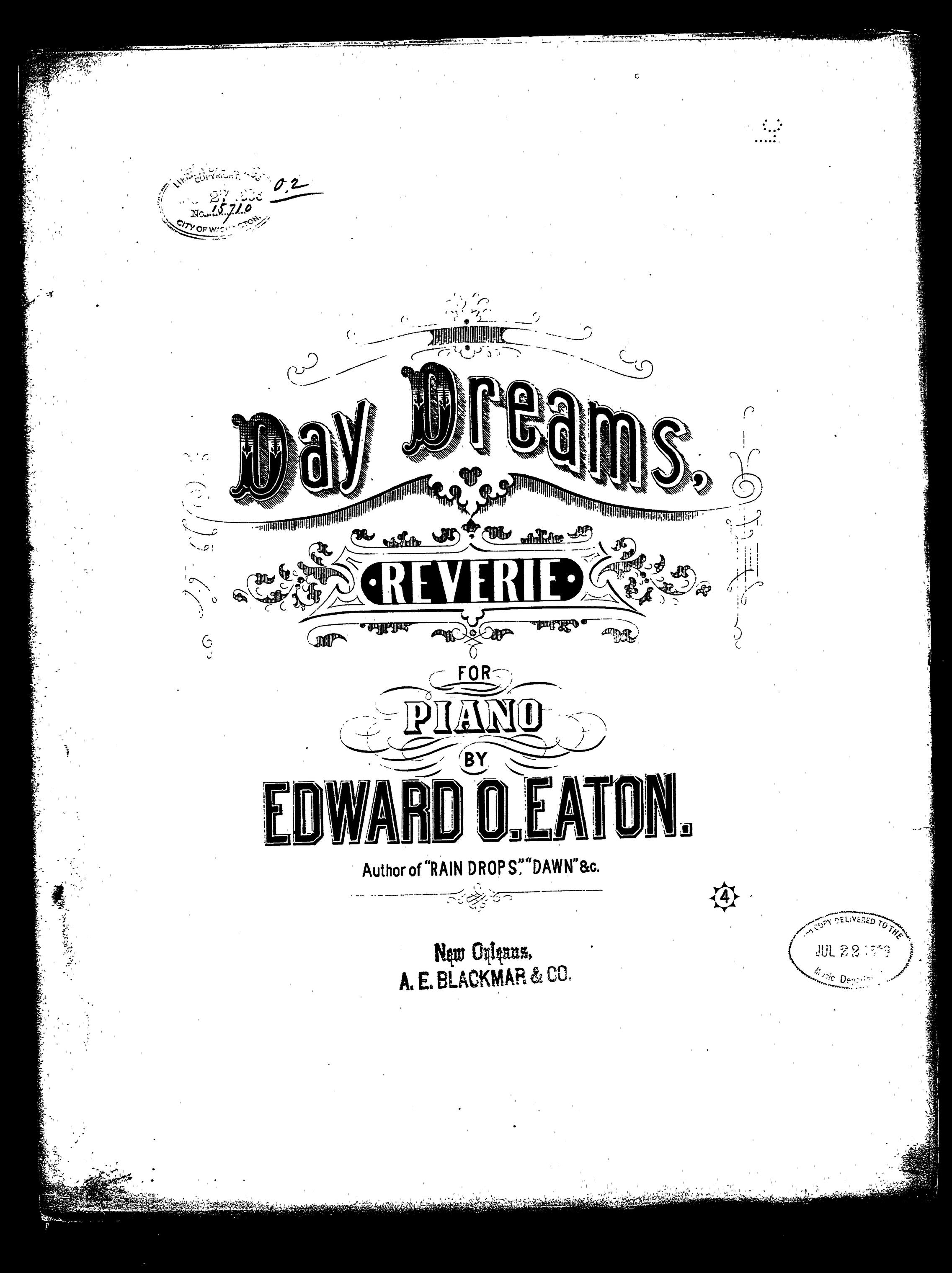
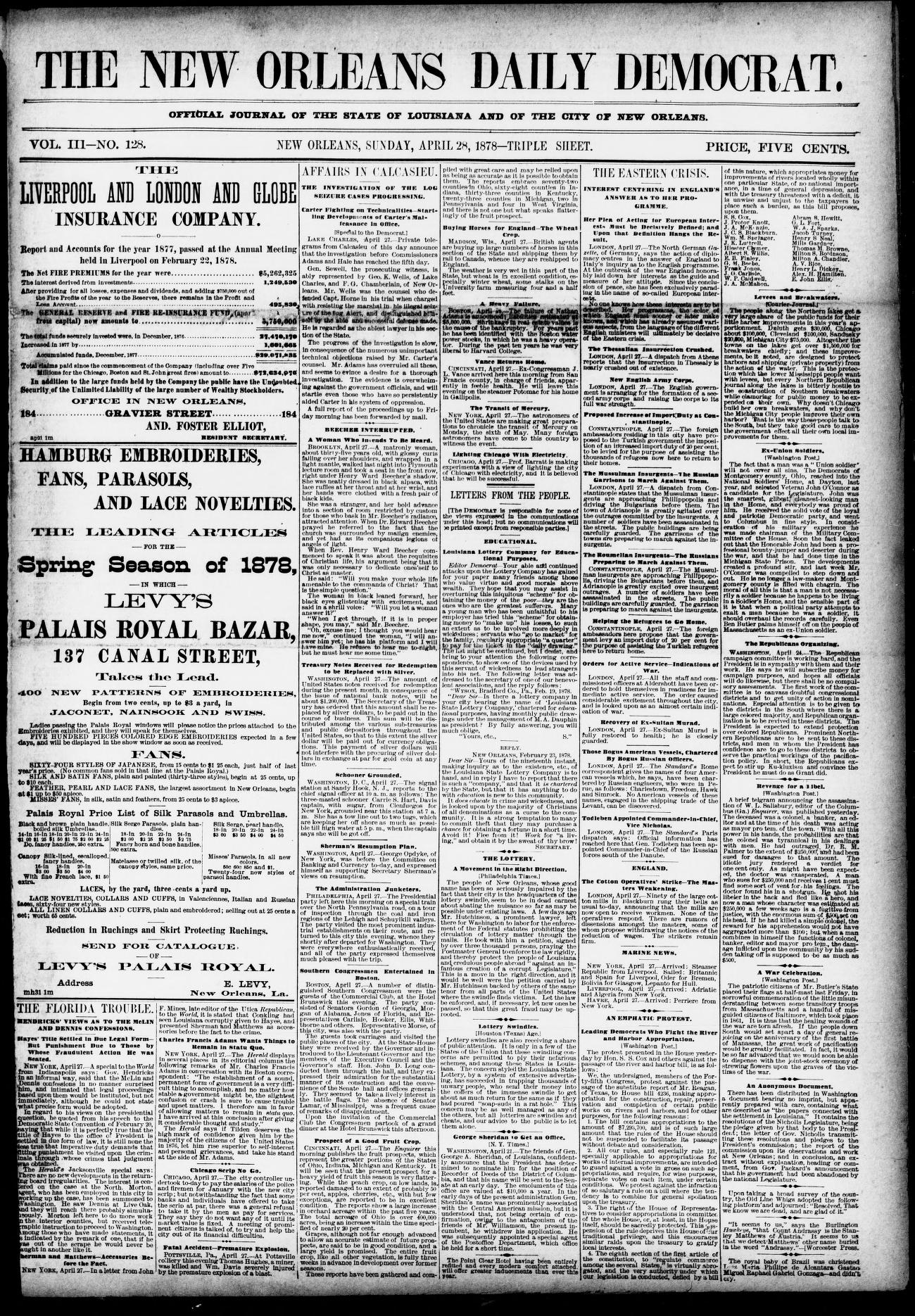
Newspapers, sheet music, correspondence, photographs, and recordings carry different forms of damage and different kinds of evidence. The project evaluates and improves existing models while keeping their outputs connected to provenance, language, rights, historical context, and human interpretation.
An end-to-end archival pipeline
The project studies how tasks often addressed in isolation can operate as a connected process, from the recovery of a source through content-level discovery and responsible access.
- 1
Capture and recoverRecover information from damaged newspapers, correspondence, sheet music, photographs, and recordings.
- 2
Recognize and describeImprove the treatment of difficult layouts, historical forms, recorded speech, and Louisiana French.
- 3
Search and connectSupport content-level search and research across collections, media, language, and historical description.
- 4
Review and governMaintain human review alongside provenance, rights, cultural context, and appropriate conditions of use.
Evaluating existing models
The project examines where current systems succeed, where their performance deteriorates, and what kinds of improvement are required for archival use. Evaluation includes materials whose physical condition, layout, medium, or language falls outside the assumptions of conventional digitization.
- faded ink
- damaged pages
- complex newspaper layouts
- handwriting
- historical typefaces
- multilingual materials
- mixed text/image/music documents
- degraded audio